From First Fine Lines to Confident Skin: A Gentle Routine
Share
What Fine Lines Can—and Cannot—Be Changed Naturally at Home
If you want to know how to reduce fine lines naturally at home, start with one fact: home care can soften the look of lines caused by dryness and sun damage, but it cannot erase lines carved by years of repeated facial movement. Knowing which type you have keeps your routine sensible and your spending sensible too.
Tell temporary dehydration lines from persistent expression lines
Dehydration lines are shallow, fine creases that appear when skin lacks water. They often look like a delicate crosshatch on the cheeks, under the eyes, or across the forehead, and they tend to fade within hours of moisturizing. Expression lines form along the paths of muscle movement, such as around the eyes, between the brows, and beside the mouth. They stay visible when your face is relaxed.
A simple at-home check can help:
- Wash your face, wait a few minutes, then look in natural light.
- Apply a basic moisturizer and check again after 30 to 60 minutes.
- If lines look noticeably softer, dehydration is likely the main cause.
- If they remain visible when your face is at rest, they are more likely expression lines.
Most people have a mix of both. Dry weather, air conditioning, long hours in the sun, and skipping moisturizer all make dehydration lines more obvious, even when deeper lines are also developing.
Set realistic expectations for a gentle, consistent skin-care routine
A gentle routine can make skin look smoother, plumper, and more even, but it works gradually and does not remove established lines. Hydration gives visible results within days, while protecting skin from further sun damage pays off over months and years.
Think of home care as slowing down new lines and softening early ones, not reversing deep creases.
Keep these expectations in mind:
- Hydrated skin reflects light better, so lines look less noticeable.
- Daily sunscreen helps prevent lines from deepening.
- Consistency matters more than using many products at once.
- Persistent deep lines may need professional guidance rather than more home remedies.
Starting simple and staying regular is the most dependable path to confident, comfortable skin.
Build a Gentle Morning and Evening Routine for Fine-Line-Prone Skin
A simple routine of cleanse, moisturize, and protect in the morning, then cleanse and moisturize at night, is the most reliable way to support smoother-looking skin at home. Once daily sun protection is in place, these steps keep your skin barrier comfortable and hydrated, which helps fine lines look softer.
Use a mild cleanser, moisturizer, and sunscreen in the morning
Morning skin needs only light cleansing, hydration, and protection. Overwashing strips natural oils and can make dehydration lines more visible, so choose a fragrance-free, low-foam cleanser and use lukewarm water. On drier days, a splash of water alone is often enough.
- Cleanse gently with your fingertips for about 30 seconds, then pat dry rather than rubbing.
- Apply a moisturizer while the skin is still slightly damp. Ingredients such as glycerin, hyaluronic acid, and ceramides help hold water in the skin.
- Finish with broad-spectrum SPF 30 or higher, using about two finger-lengths for the face and neck.
- Reapply sunscreen every two hours if you are outdoors for long stretches.
If your moisturizer already contains SPF, do not treat it as a replacement unless you apply it as generously as a standalone sunscreen. Most people use too little.
Cleanse and moisturize at night; introduce optional actives gradually
Night is when you remove sunscreen, sweat, and pollution, so cleansing matters most now. If you wear sunscreen or makeup, a first cleanse with a gentle balm or micellar water followed by your regular cleanser works well. Then apply a slightly richer moisturizer to support the skin's overnight repair.
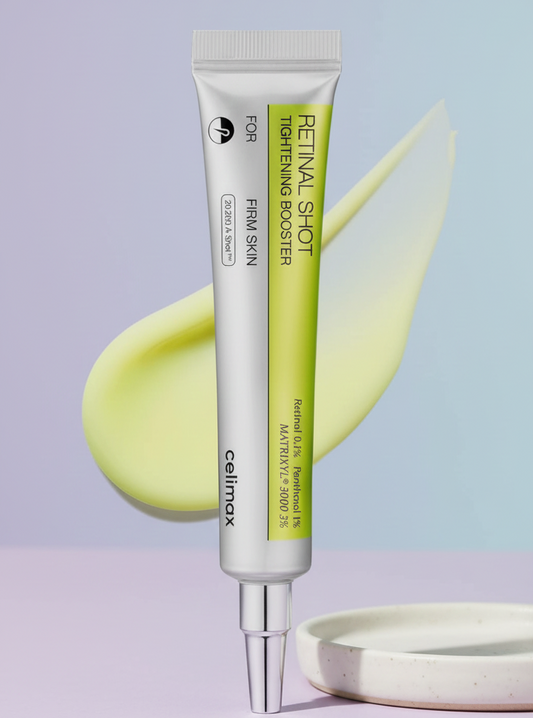
Optional actives, such as retinol or other retinoids, can be added once your basic routine feels comfortable for a few weeks. Introduce one product at a time and follow these guidelines:
- Start with a low-strength formula, two nights per week.
- Use a pea-sized amount for the whole face, avoiding the eye corners and lips at first.
- Apply moisturizer before or after it to buffer dryness.
- Increase to every other night only if your skin stays calm.
Avoid starting several new actives in the same week. If redness, stinging, or peeling appears, you will not know which product caused it.
Retinoids increase sun sensitivity, which is another reason your daily sunscreen should never be skipped.
Support Smoother-Looking Skin with Habits That Protect Its Barrier
A good routine works best when daily habits support it. If you want to know how to reduce fine lines naturally at home, remember that the skin barrier, the outer layer that holds in moisture and keeps out irritants, responds to lifestyle as much as to products.
Prioritize sleep, a balanced diet, and avoiding smoking
Consistent sleep, a varied diet, and staying smoke-free are the three lifestyle habits most closely tied to healthier-looking skin. None of them erases lines, but each helps skin stay hydrated, resilient, and less prone to premature aging.
- Sleep: Aim for seven to nine hours. Skin repairs itself overnight, and poor sleep can leave it looking dull and dehydrated, which makes fine lines more noticeable.
- Diet: Build meals around fruits, vegetables, whole grains, legumes, and healthy fats such as nuts or fish. Drink water regularly through the day, since dehydration can exaggerate surface lines.
- Smoking: Avoid it and limit exposure to secondhand smoke. Smoking is strongly linked to earlier wrinkles and a dull, uneven complexion, so quitting is one of the most effective steps you can take.
Small changes are easier to maintain than dramatic ones. Setting a regular bedtime, adding one extra serving of vegetables to dinner, or swapping a sugary drink for water is a realistic place to start.
Patch-test products and adjust the routine if irritation develops
Patch-testing means trying a small amount of a new product on a limited area before using it on your face. It helps you catch a reaction early, before it damages your barrier and makes lines look more pronounced.
- Apply a pea-sized amount behind the ear or on the inner forearm.
- Leave it for 24 hours without washing the spot, if possible.
- Check for redness, itching, stinging, or swelling.
- If the skin looks calm after 24 to 48 hours, introduce the product on your face, starting every second or third day.
Add only one new product at a time so you can tell what caused any problem. If your skin starts to sting, flake, or feel tight, pause actives and exfoliants, and return to a simple cleanser, moisturizer, and sunscreen until it settles. Build back slowly once the skin feels comfortable.
Persistent burning, swelling, or a spreading rash is a sign to stop the product and seek professional advice.
Fine-Line Routine FAQs: Practical Answers for Consistent Care
Most people notice softer-looking skin within 2 to 4 weeks, mainly because hydration and daily sunscreen improve how the skin looks and feels. Lines caused by dehydration can look less obvious within days of better moisturizing. Persistent expression lines change much more slowly, and a gentle routine mainly helps prevent them from deepening. If you add an active such as retinol, allow about 8 to 12 weeks before judging results, and take clear photos in the same lighting every few weeks to track progress honestly.
Yes, moisturizer can make fine lines look less noticeable by plumping the outer layer of skin with water and reducing the dry, crinkled texture that makes lines stand out. It does not erase lines that are already set in. Look for a fragrance-free formula with humectants like glycerin or hyaluronic acid, plus an emollient or ceramides to seal in moisture. Apply it to slightly damp skin after cleansing, and use it both morning and night for the best effect.
Natural oils can soften dry skin and reduce surface tightness, but there is little reliable evidence that they remove fine lines. Kitchen ingredients such as lemon juice, baking soda, or sugar scrubs are best avoided, as they can disrupt the skin barrier and cause stinging, redness, or dark patches. If you enjoy oils, choose a gentle, non-fragrant option, apply a few drops over moisturizer at night, and patch-test first. Treat oils as a comfort step, not a substitute for sunscreen and consistent care.
See a dermatologist if irritation lasts more than one to two weeks after you stop a new product, or if you notice swelling, blistering, persistent burning, or rash-like bumps. Seek advice as well if lines appear suddenly, if you have a skin condition such as eczema, rosacea, or acne, or if you are pregnant and unsure which actives are safe. A professional can also discuss prescription-strength options and confirm whether your routine suits your skin type.
Consistency matters more than complexity: a gentle cleanser, moisturizer, and daily sunscreen, used patiently, will do more for fine lines than any occasional quick fix.